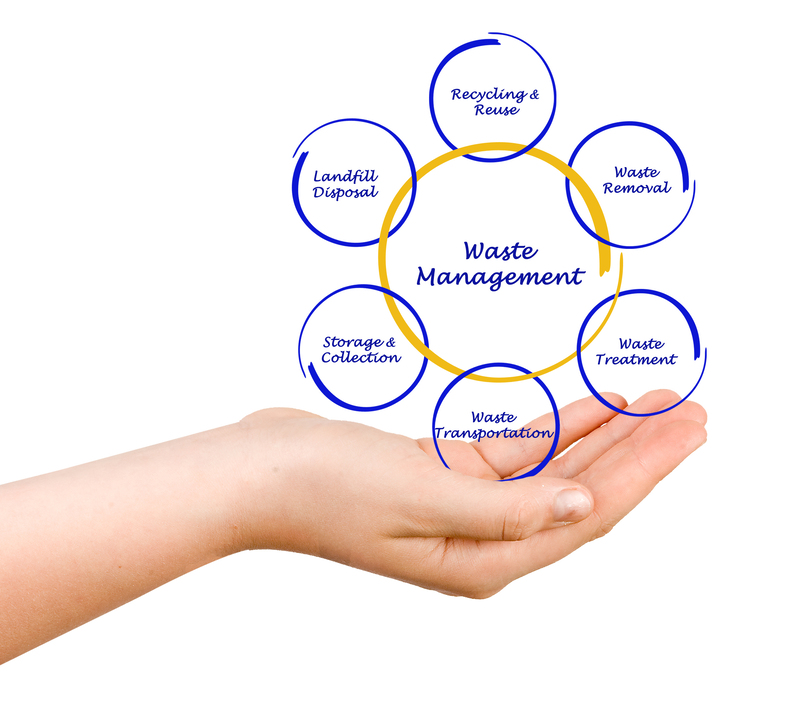
Commercial Waste Removal in Osterley
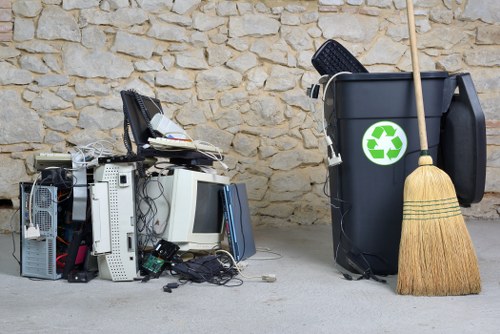
Commercial waste removal in Osterley needs to be practical, tidy and suited to the way local businesses actually work. We handle recurring and one-off clearances for shops, offices, trades, hospitality venues and mixed-use premises, with an emphasis on keeping waste streams separate and making collections straightforward to arrange. If you need commercial waste removal that fits around trading hours and leaves your premises ready for the next task, our service is built around that straightforward outcome.
We cover common business waste types such as general refuse, mixed office waste, packaging, cardboard, light fixtures, shelving offcuts and other non-hazardous materials that build up during day-to-day work. When items are bulky or awkward, we can also remove larger pieces of redundant furniture and fixtures where they are suitable for collection. The aim is to keep the process clear: we remove what has been agreed, handle it carefully, and help you keep your site organised without adding unnecessary steps.
For a simple starting point, you can request a quotation once you know roughly what needs collecting. If you already have a fixed schedule in mind, you can also plan ahead and get the waste out of the way before it affects staff movement, stock storage or customer areas.
Business Waste Collections
Business waste collections are best when they are predictable and well matched to the type of material being produced. Some premises create a regular stream of lighter waste, while others need support after deliveries, refits, office clear-outs or seasonal changes. We can collect mixed commercial waste and separate items where the job calls for a more organised approach. That is useful when you want an efficient clearance without turning the work area into a temporary storage point.
Our service is suitable for many everyday commercial settings, including offices, retail units, workshops and small premises with limited back-of-house space. Business waste removal can involve anything from routine bagged waste to bulkier materials that have accumulated after a change in layout or staffing. If you are unsure how to classify the load, it is usually better to describe the contents plainly rather than overcomplicating it; the exact mix often matters more than the label.
Useful preparation makes the collection smoother, especially where access is shared or time on site is limited. A brief list of what needs removing is often enough to start, and photographs can help where there are bulky items, narrow stairways or stacked materials. If waste is stored in more than one place, it helps to mention that early so the load can be planned properly. That kind of detail supports a more accurate quotation without creating extra work for you.
Office Clearances and Workplace Furniture
Office clearances often require a careful balance between speed and order. Desks, chairs, filing units, IT-related items, shelving, partitions and general office clutter may all need moving in stages, particularly where the workspace still needs to function while the removal is under way. We approach these jobs by separating reusable or bulky office items from standard waste so the clearance stays manageable and the premises can return to normal use as soon as possible.
Office clearance is especially useful when a business is reducing equipment, clearing a vacated room or removing surplus furnishings after a reconfiguration. The work can be straightforward, but it benefits from sensible planning where lifts, corridors, loading points or building rules affect how items are moved. For that reason, it is helpful to know whether the items are scattered across several rooms or gathered in one place.
Where office furniture is no longer needed, we can also remove selected larger pieces in line with the agreed scope of work. The important point is to keep the clearance focused on what has been arranged, rather than letting it drift into a catch-all tidy-up. Clear instructions on what stays and what goes make the process much smoother and reduce the risk of avoidable disruption. If the job includes fragile or heavier pieces, please mention that when you ask for a quotation.
Shop, Trade and Premises Clearances
Commercial premises rarely generate waste in only one form. Shops may have packaging, broken display fittings and obsolete stock containers; workshops may have offcuts, damaged fixtures and non-hazardous debris; hospitality venues may have worn furniture, mixed waste and storage overflow. Our job is to remove the agreed load in a way that suits the building and the business around it, with enough flexibility to deal with mixed commercial contents without losing control of the task.
Waste removal can be a practical choice where you need a broader service that is not limited to one single room or item type. It allows mixed material to be dealt with in one planned visit, provided the contents are suitable and described honestly. If you are balancing routine disposal with a short-term clearance, it is often best to group the items by area first, then decide what needs to leave immediately and what can stay in place for later.
When arranging any commercial clearance, it helps to note access details such as loading bays, restricted hours, security procedures or shared entrances. That is one of the few times where a small amount of advance planning saves a great deal of time on the day. Two simple points are usually enough: what needs removing, and when the site can be accessed safely. From there, the arrangement can be shaped to the job rather than forcing the job into a rigid template.
Furniture, Fixtures and Redundant Items
Redundant commercial furniture is often the most visible part of a clearance because it tends to be bulky, awkward and spread across useful floor space. Chairs, desks, tables, reception pieces, cabinets and similar items can make a room feel crowded long after they have stopped being useful. We remove those items as part of a wider commercial waste service or as a more targeted furniture collection where the focus is on restoring usable space for staff or customers.
If you only need selected items removed, furniture clearance can be the right fit, especially when the contents are mostly usable office or retail furnishings rather than general rubbish. That said, many commercial jobs involve a mix of furniture and other waste, so the scope should be described carefully. The clearer the list, the easier it is to match the right vehicle space, labour and timing to the work.
Some businesses also want single-item removal for worn or obsolete pieces that cannot be left waiting for a larger clean-out. In those cases, it is worth separating items that are still in use from items that are simply taking up space. A short note about the number of floors, the presence of lifts, or any awkward items with glass or metal frames can make the collection more efficient and reduce the chance of delay. If the furniture is mixed with packaging or other waste, say so up front.
Recycling, Sorting and Responsible Disposal
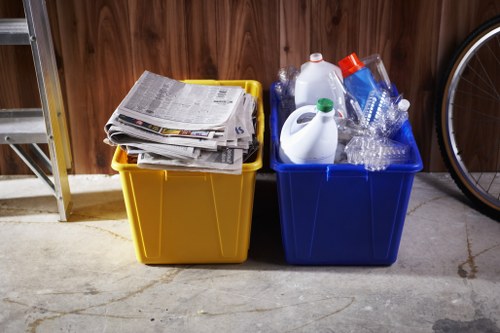
Commercial waste is rarely just a question of moving items out of the building; it also needs sensible sorting. Cardboard, metals, office paper, mixed refuse and reusable fixtures all call for different handling, and a straightforward collection is much more effective when those differences are taken into account. We build the service around the agreed load and the types of material involved, so the removal stays orderly and the disposal route is appropriate to the contents.
Recycling and sustainability matters because many businesses want their waste dealt with in a way that is more considered than simply throwing everything together. That does not mean every item can or should be separated on site, but it does mean the collection can be approached with better sorting where the load justifies it. If you have a mix of recyclable and non-recyclable items, a plain description is usually the best place to start.
We also handle jobs where the material has built up over time and needs sorting before removal. That can happen after stock changes, fit-outs or periodic clear-outs. In those cases, the best outcome is often achieved by identifying the main categories first, then deciding whether the collection should happen in one visit or in more than one phase. Responsible disposal is not just a slogan; it is a practical part of getting the right items to the right next step.
Pricing Factors and Quotation Details

Commercial waste removal prices are usually shaped by the volume of material, the type of waste, the ease of access and the time needed to complete the collection. A load of mixed office items from a ground-floor unit is not the same as a multi-room clearance with stairs, narrow corridors or several bulky objects. Describing the work accurately helps the quotation reflect the real job rather than relying on vague assumptions.
Pricing and quotes is the most relevant place to look when you want to understand how the service is put together commercially. It is often sensible to include a short inventory, note whether the items are bagged or loose and say if there are any access constraints. If the job involves only a small set of items, the estimate can usually be kept simple; if it spans several rooms or categories of waste, a little more detail helps.
To keep the process efficient, choose one person to oversee the collection details where possible. That avoids conflicting instructions and helps the quotation remain clear. Best results usually come from plain information: what is being removed, where it is located and whether anything needs to be left behind. Once that is clear, the next step is usually straightforward. Ask for a quotation when you are ready.
About Osterley
Osterley is a district in the London Borough of Hounslow, in west London, best known for the grand setting of Osterley Park and House and for its long association with the historic estate that shaped much of the area’s character. The parkland, managed by the National Trust, gives the locality a notably green edge despite its position within a busy metropolitan corridor. Nearby road and transport routes have long connected Osterley with the wider development of west London, while the district itself retains a recognisable suburban pattern of streets, residential enclaves and local facilities. The area’s built environment reflects several periods of change, with older estate influences sitting alongside later twentieth-century housing and commercial development. Osterley station on the Piccadilly line links the district directly to central London and Heathrow-facing routes, which has helped maintain its practical connections over time. The wider setting includes waterways, open spaces and landscaped edges that soften the urban character, and the nearby park remains one of the district’s most distinctive landmarks. This mix of heritage, transport access and green space gives Osterley a local identity that is both composed and functional, with the historic estate providing a strong sense of place.
Flat, House and Loft Clear-outs for Commercial Premises
Some commercial jobs resemble domestic clearances because the premises include staff accommodation, upstairs rooms, converted flats or mixed-use spaces. In those cases, the work still needs to be handled as a commercial service, but the contents may include household-style furniture, stored items, archive boxes or general overflow that has accumulated in less formal parts of the building. We can remove those items where they fall within the agreed scope and where access is suitable for a safe collection.
Flat clearance, house clearance and loft clearance are relevant where a business needs help with upstairs storage, converted accommodation or premises that include domestic-style rooms. These pages are useful because the type of layout affects how the work is organised, even when the customer’s need is commercial. If the job includes a loft, shared stairwell or a mix of old furniture and general contents, it is worth stating that clearly before the quotation is prepared.
Where access is awkward, a measured approach is better than trying to force everything into one hurried collection. Items may need to be removed in a particular order, especially if heavier pieces sit above lighter ones or if the route out of the building is narrow. State any limitations plainly, because that lets the collection be arranged in a way that fits the premises instead of causing avoidable disruption on the day.
Special Item and Ancillary Waste Removal

Commercial premises sometimes need more than a standard general-waste collection. A site may have an old appliance, a mattress from staff accommodation, broken fixtures or other awkward items that need separate handling. Where those items are suitable for collection and fall within the service agreement, we can deal with them alongside broader commercial waste, keeping the removal focused and avoiding the need for multiple separate arrangements.
Fridge and appliance removal and mattress and sofa disposal cover common large-item situations where bulky goods need to be moved out carefully. These items often need more planning than bagged waste because of their size, weight or shape. If your premises include staff rooms, stored fittings or old household-style items within a commercial setting, it is worth mentioning them explicitly so the collection can be structured sensibly.
For unusual or sensitive waste streams, the safest approach is to ask whether the item belongs in the agreed load before it is set aside. That is especially important where the contents may be restricted, fragile or heavy. If you are ready to move ahead, you can make an enquiry today and, where a suitable destination is available, use the quotation route that fits the job best.