Osterley rubbish removal TW7 guide for front garden waste
If your front garden has become the holding bay for broken planters, hedge cuttings, old decking offcuts, bags of leaves, or that odd pile of "I'll deal with it later" clutter, you are not alone. Front garden waste builds up quickly, especially in Osterley where busy routines, narrow access, and mixed property types can make disposal feel more awkward than it should. This Osterley rubbish removal TW7 guide for front garden waste explains what counts as front garden waste, how removal works, what to watch for, and how to get the job done without creating extra hassle.
Whether you are clearing a small patch by the path or tackling a full garden refresh, the aim is the same: remove waste safely, keep costs sensible, and leave the space tidy. Let's face it, a front garden is the first thing people see. A clean one changes the whole feel of a home.
Contents
- Why front garden waste matters in Osterley
- How front garden rubbish removal works
- Key benefits and practical advantages
- Who this is for and when it makes sense
- Step-by-step guidance
- Expert tips for better results
- Common mistakes to avoid
- Tools, resources and recommendations
- Law, compliance, standards and best practice
- Options, methods and comparison table
- Case study or real-world example
- Practical checklist
- Conclusion
- Frequently asked questions
Why Osterley rubbish removal TW7 guide for front garden waste Matters
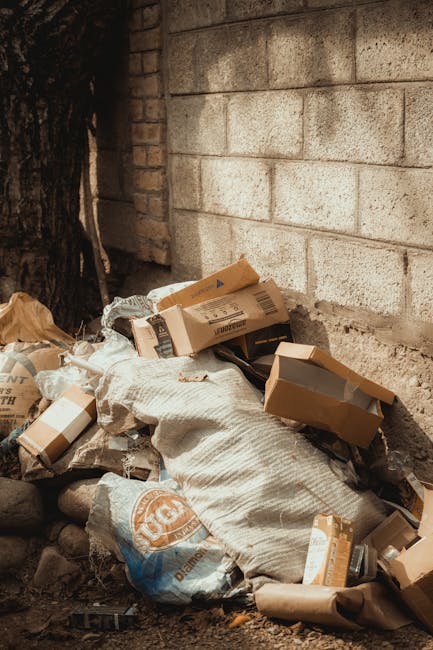
Front garden waste is not just "a bit of rubbish outside". In practice, it can include bulky green waste, soil, broken garden furniture, damaged fencing, failed planting projects, packaging from landscaping work, and general household clutter that has drifted outdoors. If it sits there too long, it quickly becomes more than an eyesore.
In Osterley and the wider TW7 area, front garden space is often visible from the street, so any pile-up tends to affect the whole look of the property. That matters for everyday pride, but also for safety. Bags left in damp weather can split. Sharp offcuts can catch on shoes or tyres. Wet leaves make paths slippery. It sounds minor until you're carrying shopping or pushing a pram and suddenly the path is a bit of a mess.
There is also a practical side. Front garden waste is usually easier to access than rear-garden waste, but that does not mean it is easy to remove neatly. You may need to move items through a narrow gate, work around parked cars, or avoid blocking the pavement. The cleaner the plan, the smoother the job.
Practical takeaway: the earlier you sort front garden waste into clear types, the easier it becomes to remove, recycle, and avoid costly mistakes.
If your project includes mixed green and non-green waste, it helps to think beyond one-off disposal. A broader service such as garden clearance may suit larger front garden jobs, while general waste removal can be useful where the pile includes mixed household items as well as outdoor debris.
How Osterley rubbish removal TW7 guide for front garden waste Works
Front garden rubbish removal usually follows a simple rhythm: assess, sort, load, and clear. The exact process varies depending on the amount of waste and how accessible the front garden is, but the core idea stays the same. Make the waste easy to identify, easy to carry, and safe to take away.
In a typical home in TW7, a team would begin by checking what needs removing and whether anything needs separate handling. For example, soil and turf are heavy, branches are awkward, and old paint tins or electrical items may need more care. Then the waste is loaded and removed in one visit where possible. Quick. Neat. Done.
For many customers, the most useful part is not just lifting and carrying. It is avoiding the confusion of "what can go with what?" A front garden can contain surprisingly mixed waste after a few weekends of DIY and tidying. Broken terracotta pots, rotted timber, hedge trimmings, old compost bags, cracked paving, and general junk rarely arrive in tidy categories. A good removal plan has to handle that mess without making it your problem.
If your front garden clearance forms part of a larger property clean-up, you may also find related services helpful, such as home clearance or house clearance if items have spilled from the home into the garden. That happens more often than people admit.
Key Benefits and Practical Advantages
A proper front garden rubbish removal service offers more than simple convenience. It saves time, reduces strain, and helps you avoid the kind of half-finished cleanup that hangs over a weekend like a chore you keep seeing from the kitchen window.
- Faster curb appeal: the front of the property looks cared for again, which can make a big difference straight away.
- Safer access: clear pathways reduce trips, slips, and awkward lifting.
- Less manual effort: heavy bags, awkward branches, and wet soil are no fun to drag around yourself.
- Better sorting: recyclable green waste can be separated from general rubbish more effectively.
- Less disruption: a planned collection can be quicker than repeated car trips to a disposal site.
There is another benefit people overlook: peace of mind. Once the waste is gone, you can actually finish the garden project. You are not stepping over old bags every time you go out to water the plants or sweep the path. That sounds small, but it really does change how a space feels.
For residents comparing their options, useful supporting pages include pricing and quotes and recycling and sustainability. Those are worth a look if you want to understand how a service may be priced and how waste is typically handled with a greener mindset.
Who This Is For and When It Makes Sense
This kind of rubbish removal makes sense for a wide range of people in Osterley. You do not need a huge garden to benefit from it either. Even a small front patch can collect a surprising amount of waste over time.
You might need help if you are:
- clearing after hedge trimming, pruning, or tree work
- refreshing the front garden before selling or letting a property
- removing old pots, planters, or broken edging
- tidying up after a DIY project involving slabs, timber, or soil
- dealing with mixed waste that is too much for council bins
- keeping a shared entrance neat for tenants or visitors
It also makes sense if access is awkward. Some front gardens have low walls, tight gates, or narrow drives. In that case, doing it yourself can quickly become more physical than expected. You think, "I'll just clear it in an hour," and then two hours later you are covered in mud, wondering why one sack of compost weighs roughly the same as a small sofa. Not ideal.
If the waste includes furniture or household items that have been moved outside, you may need something more tailored. Services such as furniture disposal or furniture clearance can be more appropriate than general garden clearance, especially where the load is mixed.
Step-by-Step Guidance
If you want a tidy result with minimal fuss, the easiest approach is to work methodically. A bit of planning before the collection makes everything faster on the day.
- Walk the space first. Identify everything that needs to go and separate waste into rough groups.
- Pull out the obvious recyclables. Branches, leaves, grass cuttings, and clean timber are often handled differently from general rubbish.
- Check for awkward items. Old fencing, broken slabs, bricks, metal trellis, or soil bags can change the lifting plan.
- Keep hazardous items apart. Anything chemical, oily, or potentially dangerous should not be mixed in with garden waste.
- Clear a route to the front. Leave space for safe loading and avoid blocking neighbours, gates, or the pavement.
- Confirm what is being collected. The more precise you are, the fewer surprises on the day.
- Do a final sweep. Check for loose nails, glass, or small pieces that can be missed in the grass or gravel.
If you are unsure whether a mixed pile is better treated as garden waste or general rubbish, think about what makes up most of the load. Green waste and outdoor materials usually lean toward garden clearance, but broken household goods, renovation debris, or garage-type clutter may fit better under broader garage clearance or even builders waste clearance.
One useful habit: bag the light stuff and stack the heavy stuff separately. It makes loading more efficient and avoids the odd "mystery bag" that turns out to be half wet soil, half broken clay pot. That is the kind of surprise nobody enjoys.
Expert Tips for Better Results
A few small choices can make front garden clearance noticeably smoother. Most of them are basic, but basic is good. Basic works.
- Cut long branches down first. Shorter lengths are easier to carry and load, especially through a narrow front gate.
- Do not overfill bags. Heavy sacks split easily and make lifting unsafe.
- Keep wet waste apart where possible. Wet soil and soaked leaves become far heavier than people expect.
- Use a tarpaulin or sheet for loose piles. It keeps gravel, mud, and smaller debris contained.
- Watch the weather. A dry morning can be much easier than a damp, slippy evening in October.
- Think about the finish. If the aim is replanting or pressure washing after removal, ask for the area to be left as clear as possible.
Another thing worth saying: if you have mixed waste, be honest about it. It is much easier to plan properly than to discover a pile of offcuts, old bricks, and a rusty barbecue half-hidden behind the bushes. Truth be told, that happens a lot.
For safety and peace of mind, it helps to review a provider's insurance and safety information and their health and safety policy. Those pages are especially useful if the job involves awkward lifting, tight access, or heavier loads.
Common Mistakes to Avoid
Most problems with front garden waste are avoidable. The annoying part is that people often only find that out after the job has gone sideways.
- Mixing everything together blindly. Garden waste, construction debris, and household rubbish are not always treated the same way.
- Ignoring hidden weight. Soil, wet grass, and rubble are much heavier than they look.
- Leaving sharp objects loose. Nails, glass, wire, and broken slate can injure someone or damage property.
- Blocking access. If the front path is cluttered, the collection takes longer and becomes riskier.
- Forgetting separate disposal needs. Fridges, mattresses, and hazardous items need specific handling, not a "just take it all" approach.
A classic mistake is assuming every outdoor item is garden waste. Not quite. For example, old outdoor appliances, damaged furniture, or a broken shed may need a different service. In those cases, targeted options such as fridge and appliance removal or mattress and sofa disposal can be more suitable.
There is also the temptation to leave waste "just for now" by the curb. To be fair, everyone has done that once. But in a front garden, "for now" often becomes a week, and then another week. Better to remove it cleanly and move on.
Tools, Resources and Recommendations
You do not need a workshop full of kit to prepare front garden waste properly. A few basic tools go a long way.
- Heavy-duty gloves: useful for thorny clippings, rough timber, and broken pots.
- Rake and broom: good for gathering leaves, loose grit, and small cuttings.
- Pruning shears or loppers: helpful for reducing branch size before collection.
- Tarpaulin or builder's sheet: keeps the pile contained and easier to lift.
- Durable waste sacks: useful for smaller, lighter material, though not for heavy soil.
- Marker pen or tape: handy if you are separating different waste types for clarity.
For bigger clear-outs, it can help to compare a few routes. If you are only dealing with green cuttings, a garden-specific approach may be the neatest option. If the front garden clearance is part of a full property reset, then waste removal or even home clearance may suit better because they handle mixed loads more flexibly.
If you want to understand what materials are accepted in mixed container loads, the page on what can go in a skip can also be a practical reference point. Even if you are not using a skip, it helps to think in those same categories: garden waste, inert waste, household waste, and restricted items.
Law, Compliance, Standards, or Best Practice
Waste disposal in the UK comes with responsibilities, even for seemingly small front garden jobs. The safest approach is to keep waste types separate, avoid fly-tipping, and make sure any waste carrier used is acting properly. You do not want your tidy-up becoming someone else's problem down the road.
For householders, the best practice is straightforward: do not leave waste in a public place unless it is intended for lawful collection, and do not hand waste to anyone who cannot clearly explain where it will go. If waste is transferred to a carrier, it should be handled responsibly and taken to an appropriate facility.
There are also practical safety standards to think about. Sharp waste should be contained. Heavy objects should be lifted carefully. Hazardous items should be identified early. If a front garden includes paint tins, chemical containers, oils, or unknown substances, they should be handled separately rather than added to a general pile. For that kind of material, hazardous waste disposal is the more suitable reference point.
Where a provider offers clear information on safety, security, and payment, that is a good sign. It does not guarantee perfection, obviously, but it does show a more professional approach. Pages such as payment and security and terms and conditions can help you understand what to expect before booking.
Options, Methods, or Comparison Table
There is no single best way to clear front garden waste. The right method depends on volume, access, waste type, and how quickly you need the area cleared.
| Method | Best for | Advantages | Limitations |
|---|---|---|---|
| DIY car trips | Very small amounts of bagged green waste | Low direct spend, simple for tiny jobs | Time-consuming, messy, not ideal for heavy or mixed loads |
| Skip hire | Larger clear-outs with predictable waste volume | Flexible loading, useful for ongoing projects | Needs space, permits may be relevant in some situations, can be awkward for one-off mixed loads |
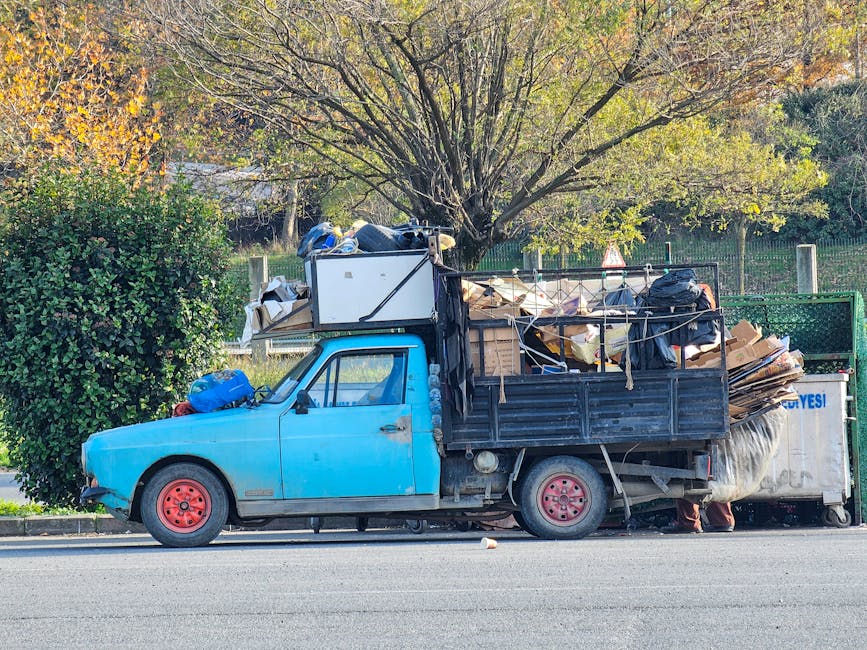
| Man and van rubbish removal | Mixed front garden waste, bulky items, awkward access | Fast, labour included, good for one-off clearances | Depends on accurate description of waste and access |
| Specialist service | Hazardous, appliance, furniture, or bulky specialist items | Better handling for non-standard waste | May need separate collection or different pricing |
For many Osterley households, a labour-included removal is the easiest route if the front garden waste is mixed or heavy. If it is just a few light bags, then DIY may be enough. A skip can be handy, but only if the space works and the waste is suitable. It's that simple, really.
Case Study or Real-World Example
Here is a realistic example. A semi-detached home near a busy TW7 road has a front garden that has been used, over time, as a holding spot for pruning waste, a broken bench, a few cracked pots, and three old bags of topsoil that got left after a spring tidy-up. Nothing dramatic. Just the kind of clutter that builds quietly.
The owner wants the space ready for fresh gravel and a cleaner look by the weekend. The first step is to sort the items:
- green cuttings and small branches into one group
- broken timber and the bench frame into another
- heavy soil bags kept separate
- any cracked ceramics and general rubbish bagged safely
Once sorted, the collection becomes much more efficient. The front route is cleared, the waste is loaded without repeated handling, and the path is swept afterwards. By late afternoon, the garden looks properly reset. Not perfect, maybe, but ready. And that is usually the point.
If the same property also had clutter in the loft or garage, pairing the garden job with a broader service such as loft clearance or garage clearance could make sense. One visit, one plan, fewer interruptions. Very decent outcome, all told.
Practical Checklist
Use this checklist before the collection or before you decide how to handle the waste yourself.
- Have I separated green waste from general rubbish?
- Are there any heavy bags of soil, rubble, or broken paving?
- Have I identified sharp, rusty, or broken items?
- Are any items hazardous, oily, or chemical-based?
- Is the front path clear for safe access?
- Do I need a specialist service for appliances or furniture?
- Have I chosen the simplest method for the actual volume of waste?
- Do I know where the waste is going and how it will be handled?
- Have I checked whether anything reusable should be set aside?
- Have I left enough time for a proper sweep-up afterwards?
Tick those off and you are already ahead of most rushed clear-outs.
Get a free quote today and see how much you can save.
Conclusion
Front garden waste can feel minor right up until it starts taking over the view from your own front door. The good news is that a clear plan makes the job far easier than most people expect. Sort the waste, choose the right removal method, keep safety in mind, and avoid the common traps that slow everything down.
This Osterley rubbish removal TW7 guide for front garden waste is really about making a small, practical decision with a big visual payoff. A tidy front garden lifts the whole property, and it saves you from staring at a half-finished pile every time you come home. That alone is worth sorting properly.
If you are planning a larger project or want to understand the company behind the service, you can also review about us before taking the next step.
And once the space is clear, there is a particular relief in it. You notice the light a bit more, the path feels wider, and the house just... breathes again.
Frequently Asked Questions
What counts as front garden waste?
Front garden waste usually includes hedge trimmings, branches, leaves, old pots, broken planters, soil bags, damaged fencing, outdoor clutter, and mixed rubbish left from garden or tidy-up work.
Is front garden waste the same as green waste?
Not always. Green waste covers organic material like cuttings, leaves, and small branches. Front garden waste can also include timber, ceramics, metal, soil, rubble, and general rubbish.
Can I put front garden waste in the normal bin?
Usually not if the amount is more than a small household bin can handle. Wet cuttings, branches, and soil can also be too heavy or messy for regular bin collection. It is better to separate and assess the load properly.
What should I do with old garden furniture from the front garden?
Old benches, tables, chairs, or decorative items may need furniture-focused disposal rather than standard garden waste removal. If the items are bulky, a dedicated service is usually simpler.
Do I need to separate soil from branches and leaves?
Yes, ideally. Soil is heavy and can change how the waste is handled. Keeping it separate helps with loading and makes the collection safer and tidier.
How can I prepare a narrow front garden for removal?
Stack waste neatly, trim long branches, keep the path clear, and avoid blocking gates or pavements. If access is especially tight, let the provider know in advance so they can plan properly.
What items should never be mixed into front garden rubbish?
Hazardous items such as oils, chemical containers, paint, asbestos-related material, and unknown substances should not be mixed with ordinary garden waste. They need separate handling.
Is it better to use a skip or a removal team for front garden waste?
It depends on the job. A skip can work well for ongoing projects and steady waste volumes. A removal team is often better for mixed loads, awkward access, or when you want the waste lifted away quickly.
Can front garden rubbish removal be done in one visit?
Often, yes. If the waste is clearly described and access is straightforward, a same-day or single-visit collection is commonly possible. Bigger or more complex jobs may need a little extra planning.
What happens to the waste after it is collected?
It is usually sorted for recycling, reuse, or disposal according to the material type. Green waste, wood, metal, and other suitable materials may be separated where possible.
How do I know if I need a specialist service?
If your front garden waste includes appliances, mattresses, sofas, or hazardous materials, specialist handling is the safer option. General garden clearance is best for typical outdoor waste, not everything under the sun.
Where can I learn more about booking and service details?
You can review the available service information, check book online if you are ready to arrange a collection, or read more about general waste removal and related services first.